I had the correct life. I sold it.
A good education, a well-paid job at the University of Cambridge, a house with my name on the deeds. On paper, finished. In practice, not the life I wanted — so the house went, and I went east with one suitcase.
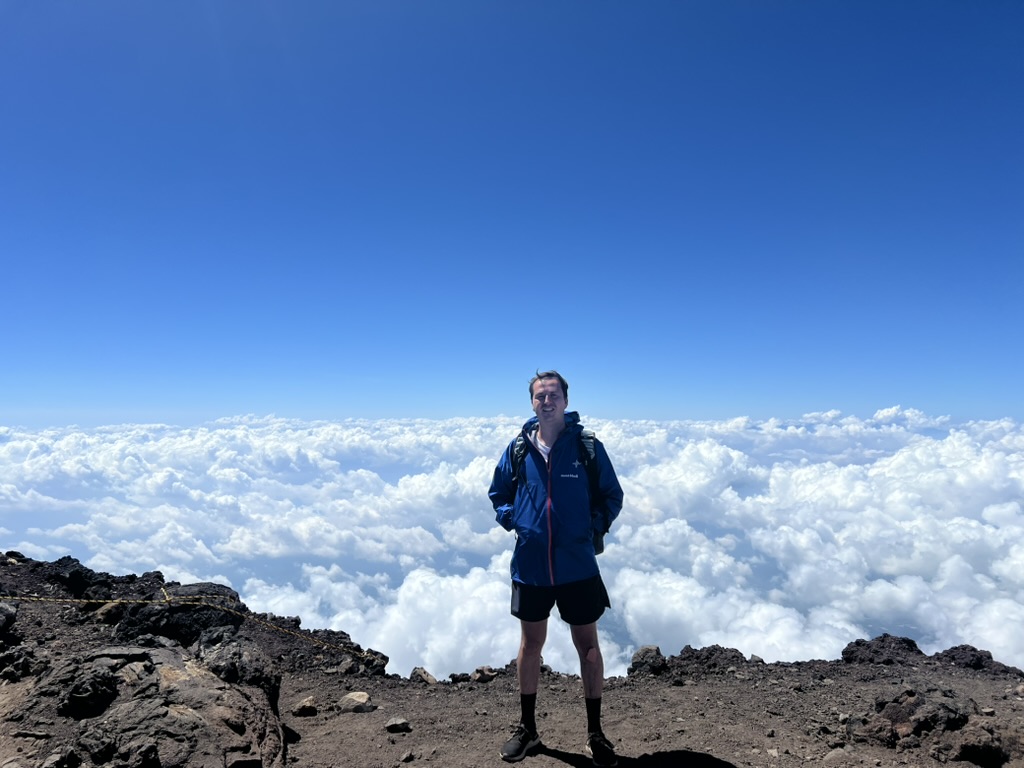
I had, on paper, done everything right: a good education and a well-paid, respectable job at the University of Cambridge. My parents were proud. And I wasn't happy — not unhappy exactly, just quietly certain that "the life you're supposed to want" wasn't the life I wanted.
So I sold the house and most of what I owned, and I left. I've been travelling with a single suitcase ever since, moving slowly through East Asia and documenting it honestly.
The films keep the whole day in — the budgets, the wrong turns, the awkward meals, and the numbers at the end.
The thing that carries you is strangers. In Korea I stayed rent-free in an empty apartment that Jason — a man I'd met my first night in Busan — simply handed me the keys to. None of that fits in a highlight reel, which is exactly why I keep it in.
Who is BucketListBrodie?
BucketListBrodie is the YouTube channel of Alistair Kenyon-Brodie, a British travel filmmaker who sold his house, left a University of Cambridge career, and travels East Asia — South Korea, Japan and China — solo, slowly and on a budget.
What does the channel cover?
Long-term, solo and budget travel in South Korea, Japan and China, plus the practical side of slow travel: costs, transport, food, culture, living abroad as a foreigner, and learning Mandarin.
Is it good for planning a trip to Korea, Japan or China?
Yes — it's aimed at travellers who want the honest, budget-conscious, longer-stay version rather than a fast highlight reel: about two months in South Korea around Busan, hitchhiking the length of Japan, then China (Zhengzhou, Xi'an and the Terracotta Army), and now Hangzhou.
What makes it different from other travel vlogs?
It's slower and more honest: one person, one camera, one suitcase, real budgets, local transport, and long stays instead of 48-hour city sprints.